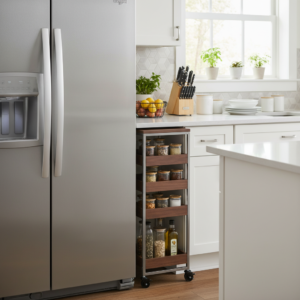
A kitchen is more than a place to prepare meals. It is where families gather, conversations happen and everyday routines take shape. However, an outdated layout, limited storage or worn-out surfaces can make cooking and entertaining unnecessarily difficult. A well-planned kitchen renovation offers an opportunity to improve functionality, introduce modern design elements and create a space that suits your lifestyle.
Whether you are updating a compact apartment kitchen or transforming a spacious family home, the key to a successful project is balancing appearance, practicality and budget.
Why Consider Renovating Your Kitchen?
Kitchen renovations can improve both everyday comfort and the overall appeal of your property. Rather than simply replacing old cupboards, consider how the space could work better.
Some important benefits include:
- Improved functionality: Create a layout that makes cooking, cleaning and entertaining easier.
- Better storage: Introduce pull-out drawers, pantry organisers and smart cabinetry.
- Modern appearance: Refresh tired interiors with contemporary finishes and fixtures.
- Energy efficiency: Upgrade to energy-efficient appliances and LED lighting.
- Property appeal: A thoughtfully designed kitchen can make your home more attractive to potential buyers.
The best improvements are those that solve practical problems while complementing the character of your home.
Planning a Successful Kitchen Renovation
Good preparation helps prevent expensive changes and unnecessary delays once construction begins.
1. Establish a Realistic Budget
Start by deciding how much you can comfortably invest. Include cabinetry, benchtops, appliances, plumbing, electrical work, installation and finishing materials.
It is also sensible to keep a contingency allowance for unexpected issues, particularly in older properties where plumbing or electrical systems may need attention.
2. Choose a Functional Layout
The kitchen layout influences how comfortably you can move around while preparing meals. Common options include:
- L-shaped: Suitable for open-plan spaces and smaller homes.
- U-shaped: Provides generous bench space and storage.
- Galley: Makes efficient use of narrow areas.
- Island kitchen: Creates additional preparation space and a natural gathering point.
Consider the relationship between your sink, cooktop and refrigerator to minimise unnecessary movement.
3. Select Durable Materials
Kitchen surfaces experience daily wear, moisture, heat and occasional spills. Choose materials that suit your household and maintenance preferences.
Engineered stone alternatives, laminate, timber-look finishes and quality cabinetry can all offer different advantages. Always check product specifications, warranties and maintenance requirements before making a decision.
Design Features That Make a Difference
A successful renovation combines attractive details with practical solutions.
Maximise Storage
Use deep drawers for cookware, vertical dividers for trays and pull-out organisers for pantry essentials. Extending cabinetry towards the ceiling can also provide additional storage.
Improve Lighting
Combine overhead lighting with task lighting beneath cupboards. Pendant lights above an island can introduce visual interest while providing useful illumination.
Create a Cohesive Colour Scheme
Neutral colours such as warm white, soft grey and natural timber create a timeless foundation. Introduce personality through splashbacks, handles, feature lighting or contrasting cabinetry.
Common Kitchen Renovation Mistakes to Avoid
Even attractive designs can become frustrating when practical details are overlooked.
Watch out for these common mistakes:
- Choosing appearance over everyday functionality.
- Underestimating storage requirements.
- Forgetting adequate power points and task lighting.
- Selecting materials without considering maintenance.
- Changing the design halfway through construction.
- Failing to check ventilation and appliance clearances.
For example, a beautiful kitchen island may look impressive, but insufficient clearance around it can make moving between work areas uncomfortable.
Should You Hire Professional Kitchen Renovators?
While some cosmetic updates may suit confident DIY homeowners, larger projects often require experienced tradespeople and careful coordination.
Advantages of professional assistance:
- Access to experienced design advice.
- Accurate measurements and installation.
- Better coordination of trades.
- Guidance on suitable materials and finishes.
- Reduced risk of costly installation mistakes.
Before appointing a contractor, review previous projects, request an itemised quotation and confirm relevant licences, insurance and warranties. Electrical and plumbing work should be completed by appropriately licensed professionals.
Kitchen Renovation Checklist
Before starting your project, make sure you have considered:
- Your overall budget and contingency allowance.
- Preferred kitchen layout and storage requirements.
- Cabinetry, benchtop and splashback materials.
- Appliance sizes and placement.
- Lighting, ventilation and electrical requirements.
- Plumbing and installation arrangements.
- Project timeline and contractor agreements.
Frequently Asked Questions
How long does a kitchen renovation take?
The timeframe depends on the project’s size, material availability and complexity. Cosmetic updates may take considerably less time than a complete renovation involving plumbing, electrical and structural changes.
What is the most important part of a kitchen renovation?
Functionality should be a priority. A practical layout, sufficient storage, suitable lighting and durable materials make a kitchen more enjoyable to use.
Can I renovate a kitchen on a limited budget?
Yes. Consider retaining the existing layout, refreshing cabinet doors, replacing handles, updating lighting and installing a new splashback rather than undertaking a complete reconstruction.
Does renovating a kitchen increase property value?
A modern, functional kitchen can improve buyer appeal. However, the financial return depends on location, renovation quality, market conditions and the amount invested.
Final Thoughts
A successful kitchen transformation starts with understanding how you use your space. Careful planning, durable materials and thoughtful design choices can turn an outdated kitchen into a welcoming and functional part of your home.
Whether you are considering a complete makeover or a few strategic improvements, working with experienced kitchen specialists can make the process smoother. Explore the possibilities with Joyce Kitchens and take the first step towards creating a kitchen that looks beautiful, works efficiently and supports your lifestyle for years to come.