Maintenance Tips for Keeping Your Double Glazed Doors in Top Condition
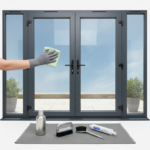
Double glazed doors are a smart upgrade for any home, delivering excellent thermal performance, quieter interiors, and improved security. Like any long-term investment, they reward simple, routine care. Regular maintenance extends the lifespan of your double glazed doors, preserves their appearance, keeps warranties in good standing, and ensures smooth day-to-day operation. The tips below will help you keep them looking and performing their best. For broader context on energy-efficient openings, see this overview of windows and doors from the U.S. Department of Energy. 1. Regular Cleaning Routine cleaning prevents dirt, grime, and airborne pollutants from degrading finishes, rollers, and weather seals over time. Glass Cleaning: Use a soft or microfiber cloth with a mild glass cleaner or a 1:1 vinegar-and-water solution. Avoid abrasive pads, harsh chemicals, pressure washers, and razor blades, which can scratch coatings. For a streak-free finish, clean in the shade and dry with a lint-free cloth. Clean interior and exterior panes at least twice a year—or more often in coastal, high-dust, or urban pollution areas. Frame Cleaning: Wipe frames with warm, soapy water and a soft cloth; rinse and dry to prevent water spots. For uPVC, a purpose-made uPVC cleaner can lift stubborn marks. Avoid solvent-based products that may dull or damage finishes. For timber, promptly remove bird droppings and sap, which can break down coatings. Tracks and Thresholds: For sliding or folding systems, vacuum debris from tracks and thresholds, then wipe with a damp cloth. Keeping these areas clear reduces strain on rollers, prevents binding, and improves operation. 2. Inspect Seals and Gaskets Perimeter seals and gaskets keep your doors energy efficient by preventing drafts and moisture ingress. Sunlight, temperature swings, and daily use can compress or degrade them over time. Visual Inspection: Check for cracking, flattening, shrinkage, or gaps—especially in corners and areas exposed to strong sunlight. Ensure seals sit evenly against the frame when the door is closed and that there are no missing sections. Draft Test: Close the door and run your hand along the edges to feel for cold air. You can also use the “paper test”: shut a sheet of paper in the door—if it pulls out easily, the seal or alignment may need attention. Replace damaged seals with the manufacturer’s recommended profile, and consider a professional adjustment if drafts persist. For more on weatherstripping basics, see this guide to air sealing and weatherstripping from Energy Saver. 3. Lubricate Moving Parts Hinges, handles, locks, and rollers work best when kept clean and correctly lubricated. Lubrication Schedule: Once or twice a year, apply a light silicone or PTFE (dry) lubricant to hinges, multipoint locks, and moving hardware. Avoid oil-based products that attract dust and grime. Handles and Locks: If handles feel stiff, apply a small amount of lubricant to the mechanism and operate several times to distribute it evenly. Wipe away any excess. For key cylinders, use a dry graphite or PTFE product rather than oil-based sprays. If problems persist, consult a professional locksmith, such as those accredited by the Master Locksmiths Association in Australia and New Zealand. Sliding Door Rollers: Clear debris from rollers and tracks before lubricating. If the door still drags or judders, the rollers may need adjustment or replacement. 4. Check for Condensation Well-performing double glazing reduces condensation, but moisture between the panes signals a failed seal in the insulated glass unit (IGU). What to Look For: Persistent fogging or moisture trapped between panes indicates a compromised seal and a loss of insulating gas. Note that interior or exterior surface condensation can occur with temperature changes and high indoor humidity—this is different from moisture within the IGU. For more on managing household humidity and condensation, see this overview from Your Home (Australian Government). What to Do: If you suspect seal failure, consult a professional glazier to assess the unit. In many cases, the IGU can be replaced without changing the entire door. For additional background on condensation causes and prevention, see this overview from InterNACHI. 5. Repaint or Reseal as Needed Protective finishes keep frames looking good and shield them from the elements. The right approach depends on the frame material. Wooden Frames: Inspect for peeling paint, hairline cracks, and signs of water ingress. Lightly sand, prime bare timber, and apply a high-quality exterior paint or clear sealant every few years, depending on exposure. Keep sealant joints intact to block moisture and consider more frequent touch-ups in coastal or full-sun locations. uPVC Frames: These are low-maintenance; periodic cleaning usually suffices. If color fades, use a uPVC-compatible paint formulated for exterior use and follow manufacturer guidelines. Avoid unapproved dark colors that can increase heat absorption unless the system is rated for it. Aluminium or Composite Frames: Wash down periodically and check for chips or scratches in powder-coated finishes. Touch up as recommended by the manufacturer to prevent corrosion and maintain appearance. 6. Keep Drainage Channels Clear Most units include drainage channels or weep holes that allow water to escape and prevent pooling. Regular Checks: Inspect for dirt, leaves, insect nests, or paint overspray that can block water flow. These blockages can cause leaks, standing water, and mold. Cleaning the Channels: Use a small brush or vacuum attachment to clear debris. Test by gently pouring a small amount of water into the channel and confirming it exits through the weep holes. Never plug weep holes for cosmetic reasons. Learn more about how weep holes work in this guide from Pella. 7. Confirm Alignment and Hardware Adjustment Over time, heavy glazed doors can settle or shift slightly, affecting latching, weather tightness, and security. Hinge and Roller Adjustments: If the door rubs, doesn’t latch cleanly, or has uneven gaps, minor adjustments to hinges, keeps, or rollers can restore smooth operation. Seasonal expansion and contraction can also change clearances. Consult your door’s manual or a professional if you’re unsure. Security Check: Ensure multipoint locks engage fully and that screws on keeps, handles, and hinges are snug. Replace damaged or missing fixings with manufacturer-approved parts. 8. Consider Professional Maintenance While most care is
Maximising Kitchen Efficiency with Beside Fridge Storage Solutions | NewsByte AU
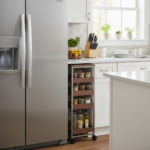
Maximising Kitchen Efficiency with Beside Fridge Storage Solutions Looking for smart ways to maximise your kitchen storage and organisation? Beside fridge storage is a practical, often overlooked solution that can transform awkward gaps next to your refrigerator into valuable storage real estate. This guide explores options for storage next to fridge, why it matters in Australian homes, and how to implement effective, durable, and stylish setups. Table of Contents What is Beside Fridge Storage? Why Beside Fridge Storage Matters Practical Beside Fridge Storage Solutions Key Considerations When Choosing Storage Next to Fridge Beside Fridge Storage Options: Comparison Table Actionable Beside Fridge Storage Checklist FAQ What is Beside Fridge Storage? Beside fridge storage refers to any storage solution installed or arranged in the space immediately adjacent to a refrigerator. This can include narrow cabinets, pull-out pantry units, shelves, racks, trolleys, or customised inserts designed to utilise the often wasted gap between a fridge and the kitchen wall or cabinet. Definition: Beside Fridge Storage – A design approach focusing on installing storage units or organisational tools directly next to a refrigerator to leverage unused space for easy-access storage of food items, kitchen tools, or other essentials. Why Beside Fridge Storage Matters Australian kitchens often have limited space, especially in apartments or older homes where kitchen layouts may be compact. The space beside the fridge is frequently an underutilised niche that can improve: Kitchen organisation: Quickly access pantry staples like spices, snacks, or canned goods. Space efficiency: Minimise clutter on benchtops and maximise storage capacity. Ease of use: Keep frequently used items at hand, saving time during meal preparation. According to Home to Love, Australian kitchens benefit greatly from clever storage solutions tailored to available spaces, such as beside fridge storage units specifically designed for narrow gaps. Practical Beside Fridge Storage Solutions Here are some common and effective solutions for storage next to your fridge: 1. Pull-Out Pantry Units Slim, pull-out pantry units are designed to fit in gaps as narrow as 150mm and slide out smoothly for easy access. They are excellent for storing canned goods, spices, and small containers. 2. Slim Shelving Racks or Trolleys Freestanding or fixed shelving units with narrow widths are flexible when installed beside fridges. Many models come on caster wheels for mobility, making them perfect for rental properties. 3. Built-in Cabinets or Custom Joinery Custom cabinetry can perfectly utilise the space, matching your kitchen decor and integrating features like adjustable shelves or baskets for versatile organisation. 4. Magnetic or Wall-Mounted Organisers For metal-framed fridges, magnetic racks or baskets can be mounted on the fridge side panel to hold lightweight items such as foil, cling wrap, or kitchen linen. 5. Over-the-Fridge Storage Though technically not “beside” the fridge, utilising vertical space above the fridge complements side storage, adding more room for infrequently used items. Term: Pull-Out Pantry Unit – A narrow, vertical cabinet on sliding tracks designed to fit in small gaps and provide easy access to stored goods. Real-World Example In a Sydney inner-city apartment, homeowners installed a 180mm wide pull-out pantry beside their built-in fridge cavity. This maximised storage without reducing mobility in the kitchen and improved meal prep time by having spices and snacks within easy reach. Key Considerations When Choosing Storage Next to Fridge Space width: Measure the gap precisely; standard fridge widths range from 600mm to 900mm but gaps can be as narrow as 150mm. Material quality: Opt for moisture-resistant materials like laminated MDF or stainless steel to withstand kitchen humidity. Ventilation: Ensure the fridge has proper airflow; avoid enclosing the fridge tightly to prevent overheating. Ease of access: Consider pull-out or sliding solutions for narrow spaces. Budget: Basic trolleys and racks start from $50 AUD, while custom cabinetry can exceed $1000 AUD. Style and design consistency: Coordinate with kitchen cabinetry colour and style for a cohesive look. Safety and stability: Secure tall or freestanding units to the wall to avoid tipping. Beside Fridge Storage Options: Comparison Table Storage Type Typical Width (mm) Cost Range (AUD) Pros Cons Best For Pull-Out Pantry Unit 150 – 300 $200 – $800 Maximises narrow space; easy access Requires installation; fixed spot Small kitchens, built-in spaces Freestanding Slim Trolley 150 – 350 $50 – $200 Portable; affordable; versatile Less sturdy; may clutter space Rental homes; flexible storage Custom Cabinetry Varies $700 – $1500+ Tailored fit; high quality; integrated look Higher cost; long lead time Renovations; premium kitchens Magnetic/Wall-Mounted Organisers Varies $30 – $100 Cheap; easy installation; adds vertical storage Limited weight capacity; fridge compatibility needed Small accessories; lightweight storage Actionable Beside Fridge Storage Checklist ✔ Measure the exact width and height of the fridge gap. ✔ Assess how you want to use the space (pantry items, kitchen tools, etc.). ✔ Choose storage material suitable for kitchen environments. ✔ Check airflow requirements so fridge cooling is not compromised. ✔ Decide between fixed or mobile storage options. ✔ Consider matching storage style with your cabinetry or design theme. ✔ Budget your storage solution and explore local Australian retailers or cabinetry makers. ✔ Ensure safety by anchoring tall or mobile units. ✔ Plan access path and clearance when the storage unit is pulled out. FAQ 1. How do I measure for beside fridge storage? Measure the width, height, and depth of the space next to your fridge accurately using a tape measure. Account for clearances to open doors fully and allow for ventilation gaps recommended in your fridge manual. 2. Can I use any storage unit next to my fridge? Not all storage units are suitable. Aim for moisture-resistant materials and designs that allow airflow to prevent fridge overheating. Pull-out units designed specifically for fridge gaps are best. 3. Is beside fridge storage expensive to install? Costs vary widely. Freestanding trolleys or magnetic organisers are affordable, usually under $200 AUD. Custom cabinets can cost upwards of $700 AUD but offer a premium integrated look. 4. Will installing storage next to my fridge affect its performance? If the storage tightly encloses the fridge or blocks ventilation, it can cause