Business News and Blogs

Black Handles for Kitchen Cabinets: Stylish & Durable Cupboard Handles Black | NewsByte Australia

black handles for kitchen cabinets

onBlack Handles for Kitchen Cabinets: Durable & Stylish Cupboard Handles Black Table of Contents Introduction Core Concepts & Definitions Why Black Handles Matter in Kitchen Design Choosing the Right Black Handles for Your Kitchen Cabinets Key Considerations: Quality, Cost & Risks Comparison Table of Popular Black Handles Types Actionable Checklist for Selecting Black Cupboard Handles FAQ Introduction When renovating or designing your kitchen in Australia, black handles for kitchen cabinets are rapidly becoming a popular choice for homeowners and interior designers alike. These sleek, modern cupboard handles black don’t just add a touch of sophistication—they offer lasting durability and a versatile style that complements a wide range of kitchen décors. This comprehensive guide covers everything you need to know about choosing, installing, and maintaining black cabinet handles, clarifying the latest trends and best practices tailored to Australian kitchens. Explore kitchen design ideas. For more inspiration, see home decoration ideas. Core Concepts & Definitions Definition Box: Black Handles for Kitchen Cabinets Black handles for kitchen cabinets refer to door pulls or knobs finished in black tones—from matte black to glossy finishes—used on cupboard doors and drawers to facilitate opening and closing while enhancing kitchen aesthetics. Definition Box: Cupboard Handles Black Cupboard handles black are specifically designed handles in black finishes for cupboards, including kitchen cabinets. They vary in style, size, and materials, selected for both functional and decorative purposes. Types of Cabinet Handles Bar Handles: Long linear handles providing a modern and minimalist look. Knobs: Small, rounded handles offering classic simplicity. Edge Pulls: Minimalist grips fitted on edges for seamless design. Recessed Handles: Embedded into the door, great for a flush finish. Why Black Handles Matter in Kitchen Design Black handles create a bold yet timeless contrast, especially when paired with white, timber, or coloured cabinetry, enhancing visual appeal while being extremely practical. Kitchen cabinet handles play a vital role in: Enhancing aesthetics: Black handles bring sophistication and can complement contemporary or industrial styles. Improving functionality: Quality handles must ensure ease of use and longevity. Adding durability: Black-coated metals and finishes resist fingerprints, dirt, and wear better than some lighter finishes. For Australian kitchens, where design is often a blend of indoor-outdoor living and practical use, choosing handles that balance style and durability is crucial. Explore more interior design tips. Choosing the Right Black Handles for Your Kitchen Cabinets Material Considerations Black handles for kitchen cabinets are manufactured using various materials that affect their durability, price, and feel: Stainless steel with black coating: Highly durable, rust-resistant, and ideal for humid kitchen environments. Zinc alloy: Cost-effective with good durability and finish options. Aluminium: Lightweight and corrosion-resistant. Plastic or composite: Budget-friendly but prone to wear. Finish Types The finish not only impacts appearance but also maintenance and lifespan: Matte Black: Modern and subtle, hides fingerprints well. Glossy Black: Shiny and impactful but shows smudges more easily. Textured Black: Offers extra grip and a unique tactile feel. Style Matching Consider your kitchen cabinet style: Contemporary/Mid-century: Minimalist linear bar handles in matte black are popular. Traditional/Country: Rounded black knobs or ornate handles that add charm. Industrial: Black iron or raw metal finishes with utilitarian designs. Installation & Size Measure your current handles and cabinet door thickness to ensure compatibility. The handle length influences ergonomics and balance. Real-World Example A Sydney homeowner updated their modern white kitchen cabinetry with matte black bar handles from a local supplier, improving contrast and complementing existing black pendant lighting, creating a unified monochrome theme. Find ideas for decorating your kitchen. Key Considerations: Quality, Cost & Risks Quality Factors Durability: Handles must resist corrosion, scratches, and daily wear. Finish retention: Quality coatings won’t peel or fade quickly. Ergonomics: Comfortable grip and finger access. Cost Factors Prices can vary widely—from $3 per handle for basic plastic to $50+ for designer stainless steel. Factors influencing cost include material, brand, finish complexity, and provenance. Potential Risks Poor-quality paint finish: Can chip, revealing rust underneath. Incorrect sizing: May damage your cabinetry or be uncomfortable to use. Style mismatch: Wrong handle choice may clash with kitchen aesthetics, reducing overall value. Comparison Table of Popular Black Handles Types Type Material Finish Price Range (AUD) Durability Best For Matte Black Bar Handles Stainless Steel Matte Black Powder Coated $15 – $45 High Modern Kitchens Glossy Black Knobs Zinc Alloy Glossy Black Painted $5 – $20 Medium Traditional or Transitional Black Iron Handles Wrought Iron Raw Black/Textured $20 – $50 High Industrial & Rustic Styles Aluminium Edge Pulls Aluminium Matte Black Anodised $10 – $30 High Minimalist Kitchens Actionable Checklist for Selecting Black Cupboard Handles ✅ Measure your cabinet door thickness and current handle screw spacing. ✅ Choose a material suited for your kitchen environment (humidity, wear). ✅ Decide on handle style based on your kitchen theme (modern, classic, industrial). ✅ Select a black finish that complements your cabinetry and maintenance expectations (matte vs glossy). ✅ Confirm ergonomics: test or review handle comfort and grip size. ✅ Review supplier warranties and quality certifications if available. ✅ Compare prices and check for bulk-buy discounts locally or online in Australia. ✅ Plan installation – DIY or professional fit-out. FAQ 1. Are black handles for kitchen cabinets suitable for all kitchen styles? Yes, black handles can suit most kitchen styles including modern, traditional, industrial, and rustic. The key is matching the handle style (bar, knob, edge pull) and finish to your cabinetry and overall kitchen design. 2. What materials are best for black cupboard handles in Australian kitchens? Stainless steel with powder-coated black finish is ideal due to its corrosion resistance and durability in humid or coastal environments common in Australia. Zinc alloys and aluminium are also popular but may vary in longevity. 3. How do I maintain black kitchen cabinet handles to keep them looking new? Regular cleaning with a soft cloth and mild detergent is recommended. Avoid abrasive cleaners that may damage the finish. For matte finishes, wipe dry to avoid water spots. 4. Can I install black cupboard handles myself, or do I need a professional? Most cabinet

blind corner cabinet

Blind Corner Cabinet Solutions: Maximising Kitchen Storage with Corner Blind Cupboards Optimising kitchen storage in Australian homes can be challenging, especially when dealing with awkward corner spaces. A blind corner cabinet is a highly practical solution that maximises storage while preserving functional kitchen design. This article explores everything you need to know about blind corner cupboards, corner blind mechanisms, and the best solutions available in Australia. Table of Contents What Is a Blind Corner Cabinet? Why Blind Corner Cupboards Matter Types of Blind Corner Cabinet Solutions Key Benefits and Challenges Cost and Quality Considerations Installation Best Practices & Practical Examples FAQ What Is a Blind Corner Cabinet? A blind corner cabinet refers to a type of kitchen cupboard design that utilises corner space which would otherwise be difficult to access. Typical corner cabinets have a section that is “blind” or inaccessible due to the way the cabinet doors open. Blind corner cabinets incorporate mechanisms or configurations that allow homeowners to access these hidden spaces efficiently. Definition Box: Blind Corner Cabinet: A kitchen cupboard featuring a specialized design or hardware that opens or slides to allow access to storage space located in corners, typically hard to reach with standard cupboard layouts. Why Blind Corner Cupboards Matter In Australian kitchens, optimising space is essential given typical home layouts and often limited square metreage. Corner blind spaces can become dead zones, underutilised and frustrating for users. Efficient blind corner cabinet solutions: Increase usable storage volume. Improve kitchen workflow by keeping items accessible. Enhance kitchen aesthetics by eliminating bulky, awkward storage corners. Support sustainable living by better organising kitchen inventory. Types of Blind Corner Cabinet Solutions Practical blind corner cupboard solutions vary in mechanism and value. Here are the main types available in the Australian market: 1. Swing-Out or Flip-Out Shelves These involve shelves mounted on articulated arms that swing out, bringing items from the back of the cabinet into full view and reach. 2. Pull-Out Trays or Carousels Rotating or sliding trays mounted inside the corner cabinet that extend outward, enabling easy access to stored goods. 3. Blind Corner Pull-Out Units (Magic Corner) Advanced pull-out systems (sometimes branded as “magic corner”) that slide out and glide around the corner, utilising hidden space fully. 4. Diagonal Corner Cabinets These are angled cabinets with a door facing the kitchen, which reduces the inaccessible corner but may reduce overall storage capacity. Comparison Table: Popular Blind Corner Cabinet Mechanisms Mechanism Accessibility Installation Complexity Cost Range (AUD) Best For Swing-Out Shelves Good Medium $250 – $400 Light to medium storage items Pull-Out Trays/Carousels Very Good Medium to High $350 – $600 Heavier/dense kitchenware Magic Corner Pull-Out Excellent High $600 – $900 Maximising corner storage space Diagonal Corner Cabinets Fair Low $200 – $350 Simple corner spaces with less clutter Key Benefits and Challenges Understanding the pros and cons of corner blind cupboards helps make informed decisions: Benefits Maximises Storage: Transforms hard-to-use corner areas into fully functional storage. Ergonomic Access: Reduces bending and reaching, improving kitchen usability. Improved Kitchen Layout: Frees up space in other cupboards by utilising corners well. Challenges Installation Complexity: Some mechanisms require professional installation. Higher Costs: Advanced systems come at a premium price compared to regular cupboards. Space Needs: Some pull-out options need adequate clearances to operate smoothly. Cost and Quality Considerations Prices vary based on design, quality, and brand. Australian homeowners should anticipate the following considerations: Materials: Durable metal tracks and high-quality laminates increase longevity but add to costs. Brand Reputation: Known brands often offer better warranties and service support. Installation Fees: Labour rates in Australia influence final pricing; DIY options are limited. Tip: Always get multiple quotes and inspect showroom models before purchase. Installation Best Practices & Practical Examples Professional installation is recommended for most blind corner cabinet systems to ensure smooth operation and longevity. Consider these steps: Measure Corner Space: Accurately measure width, depth, and wall clearance. Choose Suitable Mechanism: Balance budget with accessibility needs. Prepare Surrounding Cabinets: Adjust neighbouring cabinetry for the mechanism’s range of motion. Professional Fit: Engage a kitchen fitter experienced with blind corner cupboards. Example 1: In a Melbourne townhouse renovation, installing a Magic Corner pull-out transformed a cramped kitchen corner into a deep utensil and appliance storage zone, reducing clutter significantly. Example 2: A Sydney family home built with swing-out blind corner shelves used the space to store small appliances and pantry staples, making kitchen mornings smoother. Actionable Checklist for Choosing and Installing Blind Corner Cabinets ☑️ Identify your kitchen corner dimensions precisely. ☑️ Evaluate storage needs: light, heavy, or frequently accessed items. ☑️ Compare mechanism types for accessibility and budget. ☑️ Select quality hardware with good warranties. ☑️ Consult or hire a qualified kitchen cabinet installer. ☑️ Plan space for door/slider clearance. ☑️ Test installed mechanism before finalising installation. Additional Resources Houzz: Top Blind Corner Cabinet Ideas KitchenPlans Australia: Corner Cupboard Solutions Kitchen & Bathroom Specialists Association (KBSA) FAQ What is the difference between a blind corner cabinet and a diagonal corner cabinet? A blind corner cabinet uses specialized mechanisms to provide access to deep corner storage, whereas a diagonal corner cabinet features an angled door that provides access but often offers less overall storage capacity. Are blind corner cabinet solutions easy to install as a DIY project? Most blind corner solutions require precise installation and adjustments, making professional installation recommended to ensure smooth operation and durability. What is the typical cost range for blind corner cabinet mechanisms in Australia? Costs vary depending on mechanism type and quality, typically ranging from AUD 250 for basic swing-out shelves to AUD 900 for advanced pull-out magic corners, excluding installation. How do blind corner cabinets improve kitchen ergonomics? They reduce the need to bend or reach into deep, inaccessible corners by bringing stored items forward or swinging shelves out, improving ease of access. Which blind corner cabinet mechanism is best for heavier kitchenware? Pull-out trays or carousels with strong metal frames and smooth sliding mechanisms are best suited for heavy items like pots, pans, and appliances. “`

blind corner pantry

Blind Corner Pantry: The Ultimate Guide to Maximising Kitchen Storage in Australia Optimising kitchen storage while maintaining accessibility is a common challenge in Australian homes. A blind corner pantry offers a clever solution to utilise those often wasted corner spaces. This article explores blind corner pantry designs, their benefits, costs, and practical tips tailored specifically for Australian households. Table of Contents What Is a Blind Corner Pantry? Why Choose a Blind Corner Pantry? Types of Blind Corner Pantries Design and Installation Tips Cost Considerations Benefits and Risks Comparison Table: Blind Corner Pantry Solutions Checklist for Buying a Blind Corner Pantry FAQ What Is a Blind Corner Pantry? Definition: A blind corner pantry is a kitchen storage solution designed specifically to maximise the “blind” or hard-to-reach corners of a kitchen layout, making previously wasted spaces accessible and functional. In a typical kitchen, corner cabinets often have space that is difficult to reach, known as “blind corners.” This is where a standard cabinet door opens against a wall, creating a nook that is often wasted or poorly utilised. A blind corner pantry cleverly transforms this awkward corner space using tailored shelving and pull-out mechanisms to ensure ease of access. Understanding the Blind Pantry Term A “blind pantry” is often used interchangeably with “blind corner pantry” and refers to any storage cupboard designed to employ these unreachable corner areas efficiently. Why Choose a Blind Corner Pantry? Many Australian homeowners struggle to store pantry staples conveniently while managing limited kitchen space. Incorporating a blind corner pantry addresses this by: Maximising space utilisation: Turns underused corners into accessible storage. Improving kitchen ergonomics: Reduces the need to reach or bend awkwardly. Enhancing aesthetics: Custom-fit cabinetry seamlessly integrates with modern kitchens. Increasing storage capacity: Makes room for additional kitchen items without expanding the footprint. Types of Blind Corner Pantries Several styles and mechanisms exist to solve the blind corner storage challenge. Key types include: Lazy Susan Shelves: Circular rotating shelves that make contents reachable by spinning. Pull-Out Racks: Sliding shelves or baskets that extend outward for easy access. Magic Corner Units: Complex systems that slide and swing out to reveal interior shelving. Diagonal Pantries: Corner cabinets built at a 45-degree angle, creating better access but potentially less storage. Design and Installation Tips For Australian kitchens, proper design and installation ensure your blind corner pantry is both functional and durable: Measure carefully: Corners vary; precise measurements avoid costly mistakes. Choose quality hardware: Heavy-duty runners and hinges extend lifespan. Consider accessibility: Prioritise pull-out mechanisms that suit your usage patterns. Match cabinetry aesthetics: Coordinate finishes and styles with existing kitchen design. Consult local experts: Australian cabinetry professionals can navigate building codes and climate considerations. Example: A Melbourne family installed a Magic Corner unit with soft-close runners, enabling them to access deep corner shelves without strain, significantly improving kitchen workflow. Cost Considerations Costs for a blind corner pantry vary based on design complexity, materials, and hardware: Basic Lazy Susan: Starting at $300–$500 AUD including installation. Pull-out or Magic Corner Units: Typically $700–$1,200 AUD, sometimes higher depending on custom cabinetry. Custom-built diagonal pantries: Can exceed $1,500 AUD depending on size and finish. Additional costs might include cabinetry modifications, labour fees, and delivery if sourced locally or imported. Australian clients should always request detailed quotes and factor in warranty and after-sale service. Benefits and Risks Benefits Efficient space use means fewer bulky, unnecessary cabinets. Enhances kitchen organisation and quick item retrieval. Customisable to fit various kitchen layouts common in Australian homes. Risks Poor design or cheap hardware can lead to frustrating operation and damage. Complex mechanisms may require professional installation and maintenance. Some solutions take up more internal space compared to traditional shelving due to mechanism requirements. Comparison Table: Blind Corner Pantry Solutions Type Pros Cons Typical Cost (AUD) Ideal Use Case Lazy Susan Shelves Simple, affordable, easy to install Limited by corner shape; items can get lost in back $300 – $500 Small kitchens with limited budget Pull-Out Racks Improved access, better organisation Requires quality hardware for smooth sliding $700 – $1,000 Medium-sized kitchens; frequent pantry users Magic Corner Units Maximises space and accessibility Complex installation, higher cost $900 – $1,200+ Custom kitchens; large families Diagonal Pantry Cabinets Easy access, visually appealing Less internal storage compared to other solutions $1,000 – $1,500+ Open-plan kitchens; designer kitchens Checklist for Buying a Blind Corner Pantry Measure kitchen corner space accurately. Decide on pantry type based on budget and kitchen dynamics. Evaluate hardware quality and warranty terms. Check compatibility with existing cabinetry style. Confirm installation options and professional assistance availability. Review customer testimonials or ask for references. Budget for unforeseen costs (e.g., adjustments, shipping). FAQ 1. What is the difference between a blind corner pantry and a standard corner cabinet? A blind corner pantry specifically addresses the hard-to-reach space inside a corner by using pull-out or rotating shelves. Standard corner cabinets often have fixed shelves that make reaching items at the back difficult. 2. Are blind corner pantries suitable for small kitchens? Yes, blind corner pantries are excellent for small kitchens because they make use of otherwise wasted corner space, increasing storage without requiring more floor area. 3. How much does it cost to install a blind corner pantry in Australia? Costs typically range from $300 for basic Lazy Susan shelves up to $1,200 or more for advanced Magic Corner units, depending on size, materials, and installation complexity. 4. Can I install a blind corner pantry myself? While DIY installation is possible for simpler solutions like Lazy Susans, professional installation is recommended for more complex units to ensure proper function and longevity. 5. How do I maintain a blind corner pantry? Regularly clean shelves and mechanisms, avoid overloading, and lubricate sliding tracks or hinges as needed to prevent wear and tear. For more detailed, professional advice on cabinetry design, visit Australian Institute of Architects and Housing Industry Association (HIA). “`

arched cabinet

arched cabinet

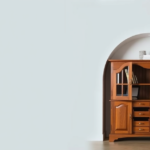
The Ultimate Guide to Arched Cabinets in Australia: Styles, Benefits & Buying Tips When it comes to blending timeless elegance with functional storage, an arched cabinet stands out as a sophisticated choice in Australian interiors. Whether you’re considering a striking black arched cabinet to make a statement or a delicate arched display cabinet to showcase your collectibles, understanding your options is crucial for a smart purchase. Table of Contents What is an Arched Cabinet? Why Choose an Arched Cabinet? Types of Arched Cabinets Available Practical Buying Guide for Australians Quality, Cost & Benefits Explained Comparison of Popular Arched Cabinets Buying Checklist for Arched Display Cases FAQ What is an Arched Cabinet? An arched cabinet is a type of furniture distinguished by its characteristic curved or arch-shaped top frame. These cabinets combine aesthetic architectural elements with practical storage solutions. Commonly made from timber, glass, and metal elements, these structures often serve as display units or decorative storage in homes and offices. Definition: An arched cabinet is a storage cabinet featuring a rounded or curved upper frame, enhancing both the style and function compared to traditional rectangular cabinets. Why Choose an Arched Cabinet? The appeal of arched cabinets extends beyond aesthetics: Timeless Elegance: The arch design evokes classic architecture and adds a touch of sophistication. Display Enhancement: Ideal for showcasing fine china, collectibles, or books uniquely due to the visual framing effect of the arch. Space Optimization: Curved tops allow these cabinets to fit into entryways or corners, offering more versatile placement options. Material and Colour Options: Popular choices include glazed timber with black finishing for a modern yet classic look, commonly available across Australia. Types of Arched Cabinets Available Australian consumers have access to several styles tailored to diverse needs and interior designs: 1. Arched Display Cabinets Glazed front display cases designed with an arched top, perfect for exhibiting ornaments or collectibles in living rooms or galleries. 2. Black Arched Cabinets Modern or vintage-inspired cabinets coated in matte or gloss black paint, favored for stylish contrasts in décor. 3. Timber Arch Cabinets Constructed from local hardwoods or veneers, these bring warmth and classic charm to Australian homes. 4. Arch Display Case Typically used in retail or exhibitions for highlighting products with the arch providing an elegant frame. 5. Built-In Arch Cabinets Custom-fitted to walls with arch detailing to seamlessly integrate with architectural features. Practical Buying Guide for Australians When searching for an arched cabinet in Australia, keep the following steps in mind: Measure your space: Consider height and width restrictions, especially with arched structures that might exceed wall height. Material selection: Opt for native timbers like Tasmanian oak or spotted gum for durability and sustainability. Use case: Determine if it’s for display, storage, or decorative purposes to select appropriate features (glass doors, internal lighting). Style compatibility: Match the arch cabinet style with your existing décor, whether traditional, rustic, or modern. Supplier research: Choose reputable Australian suppliers or custom cabinet makers experienced in arches. Practical Example: Jane from Melbourne wanted a black arched cabinet as a focal point in her modern living room. After measuring the entryway and choosing Tasmanian oak with a matte black finish, she opted for a cabinet with adjustable shelves and internal LED lighting to display her vintage glassware collection beautifully. Quality, Cost & Benefits Explained Quality Factors to Consider Construction: Solid joinery methods, such as dovetail joints, indicate superior craftsmanship. Finish: High-quality black lacquer or paint ensures durability and a premium look. Glass Type: Tempered glass panels provide safety and enhanced clarity. Common Cost Factors in Australia Price varies depending on: Size and Complexity: Larger cabinets with intricate arches cost more. Materials: Hardwood timbers and specialty glass increase cost. Customization: Made-to-measure arch display cases add to the overall price. Benefits Elevated interior style with architectural character. Functional, versatile storage or display options. Longevity with quality materials and maintenance. Comparison Table of Popular Arched Cabinets Type Material Typical Use Price Range (AUD) Key Feature Arched Display Cabinet Timber & Glass Showcasing collectibles $800 – $2500+ Glazed front & interior lighting options Black Arched Cabinet Painted MDF or Hardwood Living room storage & style $1000 – $3000+ Bold black finish Custom Built-in Arch Cabinet Hardwood or Plywood Fitted wall solutions $3000 – $7000+ Tailored to space with arch details Buying Checklist for Arched Display Cases ✔ Accurately measure installation area ✔ Verify material type and durability ✔ Inspect joinery and cabinet finish quality ✔ Confirm glass is safety glass or tempered ✔ Choose appropriate arch style for space ✔ Assess storage/display needs (shelves, lighting) ✔ Get quotes from multiple Australian suppliers ✔ Review warranty and delivery options ✔ Check customer reviews and portfolio FAQ What are the main materials used in arched cabinets in Australia? In Australia, arched cabinets are typically made from sustainable native hardwoods like Tasmanian oak, combined with glass panels (often tempered) and metal hardware for durability and aesthetic appeal. Can I customize an arched display cabinet to fit my space? Yes, many Australian cabinet makers offer custom-built arch cabinets tailored to your exact size and design preferences, including material choice, shelving, and finishing options. Are black arched cabinets suitable for modern interiors? Absolutely. Black arched cabinets add a contemporary yet timeless accent to modern interiors, creating a striking contrast and focal point in various rooms. How much should I expect to pay for a quality arched cabinet in Australia? Depending on size, materials, and custom features, quality arched cabinets typically range from AUD 800 to over 7000, with custom built-ins at the higher end of the scale. Where can I buy reliable arched cabinets in Australia? Reputable furniture stores, specialist cabinet makers, and online bespoke retailers in Australia offer a range of arched cabinets. Checking reviews and certifications helps ensure reliability and quality. For further information on quality cabinetry, you may also refer to Master Joiners Australia and explore Australian Made products. “`

Baking Tray Organiser: Smart Baking Tray Storage Solutions for Australian Kitchens

Baking Tray Organiser: Smart Baking Tray Storage Solutions for Australian Kitchens

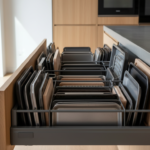
Baking Tray Organiser: Smart Baking Tray Storage Solutions for Australian Kitchens For avid bakers and busy households alike, managing kitchen space efficiently is a persistent challenge—especially when it comes to storing baking trays and ovenware. A baking tray organiser is the answer to clutter-free, accessible, and safe storage. Whether you’re upgrading your kitchen setup or simply tired of digging through piles of trays, this guide will help you understand everything you need to know about baking tray storage options, practical usage tips, and key buying considerations for Australian homes. Table of Contents What Is a Baking Tray Organiser? Why Use a Baking Tray Organiser? Types of Baking Tray Organisers How to Choose the Right Baking Tray Storage Practical Tips for Using a Baking Tray Organiser Benefits and Potential Challenges Cost Factors & Value Considerations Frequently Asked Questions What Is a Baking Tray Organiser? A baking tray organiser is a kitchen storage accessory designed specifically to hold baking trays, oven racks, cooling racks, cookie sheets, and similar flat ovenware in an organised vertical or horizontal manner. This helps protect trays from damage, maximises cabinet or countertop space, and improves accessibility. Term Definition: Baking Tray Organiser is an adjustable or fixed rack system that neatly stores baking trays by separating them, allowing for easy retrieval and preventing stacking damage. Common designs include vertical stands for cabinet shelves or pull-out drawer inserts, often made from stainless steel, chrome, aluminium, or durable plastics. Why Use a Baking Tray Organiser? Kitchen baking trays come in multiple sizes and materials, often stored flat or stacked which creates the risk of scratches, bending, or difficulty locating the desired tray quickly. Using an organiser provides: Space optimisation: vertical storage minimises cupboard clutter and frees up kitchen bench space. Protection: prevents nesting damage and keeps trays in better condition longer. Ease of access: simplifies grabbing the right tray without hassle, speeding up cooking and baking preparations. Enhanced kitchen organisation: encourages a tidy, visually orderly kitchen environment, boosting efficiency for busy homes and professional settings alike. Especially for Australian homes where space in modern compact kitchens is often limited, effective baking tray storage can significantly improve functionality. Types of Baking Tray Organisers There are multiple organiser designs suited to different kitchen layouts and user preferences. Here’s a concise comparison table outlining the main types: Type Material Storage Style Ideal For Pros Cons Vertical Rack Stand Stainless steel, chrome Vertical slots to hold trays upright Countertops, pantry shelves Easy access, space saver, durable Can be bulky, limited to flat trays Drawer Divider Insert Plastic, wood, metal Individual compartments inside drawers Kitchen drawers, pull-outs Hidden storage, secure fit Requires proper drawer size Wall-mounted Rack Metal, wood Hanging trays vertically on hooks Kitchens with usable wall space Freed up bench/cupboard, decorative Needs wall installation, may clutter visual space Stackable Shelves Plastic, metal Horizontal tiers to separate trays Inside cupboards, pantries Adjustable layers, affordable Takes horizontal space, less streamlined How to Choose the Right Baking Tray Storage Selecting the perfect baking tray organiser depends on your kitchen setup, baking habits, and tray dimensions. Consider the following factors: Tray dimensions and quantity: Measure your largest and smallest trays to ensure your organiser fits all items comfortably. Available kitchen space: Assess cupboard depth, drawer height, or countertop allowance. Material preference: Stainless steel and chrome for durability and ease of cleaning; wood or plastic for aesthetic warmth or budget options. Installation type: Drawer inserts vs freestanding racks vs wall-mounted depend on whether you prefer permanent fixtures or flexible arrangements. Accessibility: If you bake often, quick reachability is key. Stability and safety: Organisers should securely hold trays upright without tipping. For Australian kitchens — which often have compact cabinetry — vertical freely standing racks or drawer inserts are usually most versatile. Practical Tips for Using a Baking Tray Organiser Here are expert tips to maximise the benefits of your baking tray storage: Label different rack slots or compartments if you have specialised trays (e.g., pizza stone, jelly roll pans) for intuitive sorting. Clean trays before placing them to avoid dust or grease buildup. Place your most frequently used trays at the front for quick access. If using wall-mounted racks, position them close to the oven or prep space to reduce movement. Regularly re-assess your organiser layout as you add new baking accessories or trays. Real-world example: Sarah, a Melbourne home baker, installed a stainless steel vertical baking tray organiser on her pantry shelf, freeing up considerable bench space and reducing time spent searching for cookie sheets during busy weekends. Another example is an Auckland café that retrofitted kitchen drawers with plastic dividers tailored to their deep sheet trays, improving kitchen workflow and reducing breakages. Benefits and Potential Challenges of Baking Tray Organisers Benefits Extends the life of trays by preventing scratches and warping. Improves kitchen hygiene by maintaining upright, clean storage. Increases kitchen safety by reducing heavy pile handling risk. Reduces time spent searching for trays during baking—all a plus for busy families and professional cooks. Challenges Initial investment cost and assembly time. Certain designs may not fit all tray types or sizes without customisation. Some organising units may take up more space than anticipated if not chosen carefully. Cost Factors & Value Considerations in Australia Costs for baking tray organisers in Australia vary widely, typically between $20 and $100 AUD, depending on size, materials, and design. Here’s a quick checklist for assessing value: Durability vs price: stainless steel units may be pricier but last longer. DIY vs ready-made: custom drawer inserts may involve carpentry costs but suit unique kitchens better. Multi-purpose use: some organisers also fit cutting boards, baking sheets, and pans, adding versatility. Warranty and customer reviews should be checked, especially when purchasing online from retailers like IKEA Australia, Bunnings, or specialty kitchenware stores. Investing in a quality baking tray organiser can save money long-term by protecting your trays and improving baking efficiency. For more inspiration on kitchen organisation, check out: CHOICE Kitchen Storage Ideas SMH Kitchen Storage Solutions FAQ 1. What sizes of baking

Where to Find the Best Darts Leagues and Competitions in New Zealand

Darts Leagues

Darts has become an increasingly popular sport in New Zealand, with players of all skill levels coming together to enjoy the game. Whether you’re a casual player looking to have some fun or a competitive player aiming to sharpen your skills, New Zealand offers a variety of darts leagues and competitions. Here’s a guide to some of the best places to find darts leagues and competitions across the country. 1. New Zealand Darts Association (NZDA) The New Zealand Darts Association (NZDA) is the governing body for the sport of darts in New Zealand, and it plays a key role in organizing and promoting national competitions and events. NZDA tournaments include everything from grassroots competitions to prestigious national championships. They are also involved in the organization of regional events, helping to connect local players with competitive opportunities. Joining the NZDA is a great way to get involved in competitive darts at both the local and national levels. 2. Local Pub and Club Leagues One of the most accessible ways to get involved in darts is by joining a local pub or club league. Many pubs across New Zealand host their own darts leagues, offering a fun and social way to compete in regular tournaments. These leagues cater to players of all levels, from beginners to seasoned pros, and they often take place weekly or bi-weekly. It’s a great way to meet other darts enthusiasts and test your skills in a relaxed environment. Some clubs even organize annual tournaments where players can showcase their talents. 3. Auckland Darts Association (ADA) The Auckland Darts Association (ADA) is one of the largest and most active darts organizations in New Zealand. Based in Auckland, ADA runs a wide range of leagues and tournaments, catering to both recreational and serious players. They offer different levels of competition, from local leagues to prestigious events such as the Auckland Open. ADA also organizes interclub competitions, where local clubs compete against each other in team-based formats. The ADA is an excellent place for players in the Auckland region to get started in competitive darts. 4. Christchurch Darts Association (CDA) If you’re in the South Island, the Christchurch Darts Association (CDA) is a central hub for darts in the region. The CDA hosts several leagues throughout the year, as well as major tournaments like the Christchurch Open. They also run youth and junior competitions, making them an excellent choice for players of all ages. With a strong community of players, the CDA is perfect for anyone looking to compete in Christchurch or the surrounding areas. 5. Wellington Darts Association (WDA) The Wellington Darts Association (WDA) serves the darts community in New Zealand’s capital city and offers a variety of competitive events. The WDA runs weekly leagues, singles and doubles competitions, as well as open tournaments throughout the year. The annual Wellington Open is one of the highlights of the darts calendar in the region, attracting both local and international players. Whether you’re a beginner or a seasoned player, the WDA offers a wide range of opportunities to get involved. 6. National Darts Championships The New Zealand National Darts Championships is one of the premier darts competitions in the country. Held annually, this prestigious event brings together the best players from all over New Zealand to compete for the national title. The tournament features multiple formats, including singles and doubles, and provides a platform for players to showcase their talent at the highest level. The event is also a key qualifier for international competitions, making it a must-attend for anyone serious about taking their darts career to the next level. 7. The Darts Masters (PDC) The Darts Masters is an international darts event that features top-ranked players from around the world. While not a local league, New Zealand has increasingly become a destination for international darts competitions like the Darts Masters. As New Zealand’s darts scene grows, the chance to watch and even participate in high-profile events like the Darts Masters becomes more likely. Keep an eye on event schedules and travel to watch some of the best players in the world battle it out on New Zealand’s shores. 8. Taranaki Darts League For players based in the North Island, the Taranaki Darts League is a great option to join a local competitive darts community. Based in New Plymouth, this league offers both social and competitive formats, allowing players of all levels to participate. The league runs seasonal events and tournaments, culminating in a championship event for the top players. It’s a great opportunity for those in the Taranaki region to get involved in darts competitions without traveling too far. 9. Regional Darts Competitions Many regions across New Zealand, such as Waikato, Bay of Plenty, and Otago, have their own darts competitions and leagues. These competitions often feed into national events and allow players to showcase their skills in their local communities. Regional competitions offer players a chance to rise through the ranks before entering larger, national tournaments. Be sure to check your local darts associations for details on upcoming events and how to sign up. Conclusion New Zealand offers a wide range of darts leagues and competitions for players of all skill levels, from local pub leagues to national championships. Whether you’re in Auckland, Wellington, Christchurch, or a smaller town, there’s always an opportunity to get involved in the darts community. From grassroots competitions to high-profile events, New Zealand is quickly becoming a top destination for darts enthusiasts. So grab your darts and get ready to compete – the New Zealand darts scene is waiting for you!

Texas LMFT: A Guide to Becoming a Licensed Marriage and Family Therapist

Texas LMFT

If you’re passionate about helping individuals, couples, and families navigate life’s challenges, becoming a Licensed Marriage and Family Therapist (LMFT) in Texas may be the right career path for you. Texas has a growing need for qualified mental health professionals who can address the complex needs of families and relationships. This article will provide you with an overview of the LMFT process in Texas, including education requirements, licensure steps, job outlook, and more. What Is a Texas LMFT? A Licensed Marriage and Family Therapist (LMFT) in Texas is a mental health professional who specializes in the diagnosis, treatment, and prevention of emotional and relational issues within the context of family dynamics. Texas LMFTs help clients with a range of issues, including marital conflicts, parenting challenges, anxiety, depression, and more. They work in a variety of settings such as private practices, hospitals, community clinics, and government agencies. Educational Requirements for LMFT Licensure in Texas To become an LMFT in Texas, you must first meet the educational prerequisites, which typically involve: Steps to Become a Texas LMFT After completing your educational requirements, you must go through several additional steps to become licensed: 1. Apply for the LMFT Associate License Upon graduating, your first step is to apply for an LMFT Associate license through the Texas Behavioral Health Executive Council (BHEC). This license allows you to gain the supervised experience necessary for full licensure. During this phase: 2. Gain Supervised Experience Once you obtain your LMFT Associate license, you must complete 3,000 hours of post-graduate supervised work experience. These hours include: 3. Pass the National MFT Examination You must pass the Association of Marital and Family Therapy Regulatory Boards (AMFTRB) national examination. This standardized exam tests your knowledge and competency in marriage and family therapy practice. 4. Apply for Full LMFT Licensure Once you have completed your supervised experience and passed the national exam, you can apply for full LMFT licensure. This will involve submitting additional forms, fees, and documentation of your supervised hours. Continuing Education Requirements for Texas LMFTs Once you become a licensed LMFT in Texas, you must complete continuing education (CE) to renew your license. Requirements include: Career Opportunities and Outlook for LMFTs in Texas The demand for LMFTs in Texas is growing as awareness of mental health and its importance continues to rise. Texas LMFTs work in a variety of settings, such as: The job outlook for marriage and family therapists is positive. According to the U.S. Bureau of Labor Statistics (BLS), employment for LMFTs is expected to grow at a rate of 13% from 2020 to 2030, which is faster than the average for all occupations. In Texas, this growth is driven by the state’s expanding population and increasing demand for mental health services. Challenges and Rewards of Being a Texas LMFT Becoming an LMFT in Texas comes with its own set of challenges and rewards: Challenges Rewards Tips for Aspiring Texas LMFTs Conclusion Becoming an LMFT in Texas is a fulfilling career path that requires dedication, education, and supervised experience. From helping couples strengthen their relationships to guiding families through challenging times, the work of an LMFT can make a profound impact on the lives of many. By following the steps outlined in this guide and committing to ongoing professional growth, you can establish a successful career as a Licensed Marriage and Family Therapist in Texas.

How a Business Lawyer Can Help Protect Your Business

Business Lawyer

Running a business in today’s complex legal landscape requires more than just passion and hard work. Whether you’re a startup or an established enterprise, having the right legal support can be the difference between success and failure, with business lawyers in Sydney playing a crucial role in safeguarding businesses from potential legal pitfalls. This article will explore various ways a business lawyer can help protect your business. Whether you’re just starting your business or looking to protect your existing company, a business lawyer can provide the right legal expertise and advice to help you succeed. In situations where personal relationships intersect with business matters—such as running a family business or navigating divorce and estate planning—considering the benefits of working with a family lawyer can be crucial for protecting both your business and personal interests. Legal Structure & Compliance One of the first steps in establishing a successful business involves choosing the right legal structure. Business lawyers in Sydney can provide invaluable advice on whether you should operate as a sole trader, partnership, company or trust. Each structure has its pros and cons, impacting your tax obligations, liability and ability to raise capital. Additionally, business lawyers ensure that your business complies with local, state and federal regulations. They can help you obtain the necessary permits and licences, thereby avoiding costly fines and legal complications. Contract Drafting & Review Contracts form the backbone of any business relationship, whether with suppliers, customers or employees. A poorly drafted contract can lead to misunderstandings and disputes that may jeopardise your business. Business lawyers in Sydney can draft, review and negotiate contracts to ensure that your interests are protected. They can also provide counsel on the enforceability of contracts and help resolve any contract disputes that may arise. This proactive approach minimises risks and ensures that all parties involved clearly understand their rights and obligations. Intellectual Property Protection In the digital age, intellectual property (IP) is one of the most valuable assets a business can possess. Protecting your IP, such as trademarks, patents and copyrights, is essential for maintaining a competitive edge. Business lawyers in Sydney can help you register your IP and ensure that it remains protected from infringement. They can also assist with drafting IP agreements, such as licensing or confidentiality agreements, to further safeguard your intellectual property. By doing so, they can prevent unauthorised use and potential legal battles that could arise from IP theft. Employment Law Compliance Managing employees comes with a host of legal responsibilities. From drafting employment contracts to ensuring compliance with workplace health and safety regulations, business lawyers in Sydney can guide you through the complexities of employment law. They can also help you navigate issues related to unfair dismissal, discrimination and workplace disputes. By ensuring that your employment practices are legally sound, business lawyers help create a fair and compliant workplace, reducing the risk of costly lawsuits. Dispute Resolution No business is immune to disputes, whether internal or external. Business lawyers in Sydney are skilled in various dispute resolution methods, including negotiation, mediation and litigation. They can represent your interests in court or help you reach amicable settlements out of court. Strategic Business Advice Beyond legal matters, business lawyers can provide strategic advice to help your business grow. They can assist with mergers and acquisitions, joint ventures and other business transactions, providing insights that can help you identify potential risks and opportunities. When you enlist the services of a business lawyer, you are not just hiring someone to help with paperwork or to represent you in court. You are also gaining a trusted partner who can help safeguard your company’s future, whether you’re setting up a new business, drafting contracts, or handling disputes. If you are considering legal representation for your commercial interests, understanding the importance of choosing the right commercial lawyer can be instrumental in ensuring long-term business protection. Conclusion Business lawyers in Sydney offer a comprehensive range of services that go beyond mere legal advice. By investing in the expertise of a business lawyer, you can focus on what you do best – running and growing your business.

Understanding Healing Time: Factors, Types, and Timelines

Healing Time

Healing is the body’s natural process of repairing damage and restoring function. How long it takes varies widely based on the type and severity of the injury, your overall health, and other individual factors. Below, we outline what influences healing time, how different tissues heal, and typical timelines to help set realistic expectations and guide recovery. Factors Influencing Healing Time 1. Nature and Severity of the Injury or Condition Minor injuries: Small cuts, scrapes, and bruises usually heal quickly because there’s limited tissue damage. Major injuries: Fractures, deep wounds, and severe burns take longer due to extensive tissue damage and more complex repair needs. Chronic conditions: Issues such as diabetes, vascular disease, or autoimmune disorders often slow healing. 2. Age Children: Typically heal faster thanks to robust cellular regeneration and a strong immune response. Older adults: Healing tends to slow with age as cell turnover and immune efficiency decline. 3. Overall Health and Nutrition Good health: Adequate protein and micronutrients support new tissue formation and immune function. Poor health: Malnutrition, obesity, and uncontrolled chronic diseases can delay healing. Nutrients like vitamin C and zinc are especially important for collagen synthesis and immune support. 4. Blood Supply Adequate blood flow: Delivers oxygen, immune cells, and nutrients to the injury site, promoting faster repair. Compromised circulation: Conditions such as diabetes or atherosclerosis reduce blood flow and slow recovery. 5. Infection Clean, uninfected wounds: Heal more predictably because the body can focus on repair. Infected wounds: Require extra time and treatment, as the body must first control the infection. 6. Lifestyle Factors Non-smokers: Heal faster; smoking reduces oxygen delivery and impairs tissue repair. Learn more about smoking’s impact on wound healing from the NHS. Moderate alcohol use: Excessive alcohol can weaken immune defenses and delay healing. Sleep and stress: Adequate sleep and stress management support immune and hormonal balance needed for recovery. Types of Healing and Their Timelines 1. Wound Healing Wound healing follows well-defined stages—hemostasis, inflammation, proliferation, and remodeling—that overlap and vary by wound depth and location. Stages of Wound Healing: Hemostasis: Immediate clotting to stop bleeding. Inflammation: A few days; immune cells clear debris and bacteria. Proliferation: Days to weeks; new tissue, collagen, and blood vessels form. Remodeling: Months; collagen reorganizes and the scar strengthens. Typical Healing Times: Minor cuts and scrapes: About 1–2 weeks. Deep or complex wounds: Several weeks to months, depending on depth, size, and location. 2. Bone Healing Bone repair progresses from a blood clot (hematoma) to a soft callus, then hard callus (new bone), followed by remodeling. See an overview from the American Academy of Orthopaedic Surgeons: Your Bones and Healing. Stages of Bone Healing: Inflammation: Days; hematoma forms and inflammatory cells arrive. Soft callus formation: About 2–3 weeks; fibrous tissue and cartilage bridge the fracture. Hard callus formation: About 6–12 weeks; new bone replaces soft callus. Remodeling: Months to years; bone reshapes to restore strength and structure. Typical Healing Times: Simple fractures: Around 6–8 weeks. Complex fractures: 3–6 months or longer. 3. Muscle Healing Muscle injuries range from minor strains to partial or complete tears. Recovery depends on severity, location, and early management. Stages of Muscle Healing: Inflammation: A few days; swelling and soreness signal the repair process. Repair: About 1–2 weeks; new muscle fibers form and scar tissue develops. Remodeling: Several months; fibers align, strengthen, and regain function. Typical Healing Times: Minor strains: 1–2 weeks. Severe tears: Several months and often require guided rehabilitation. 4. Ligament and Tendon Healing Because these tissues have relatively poor blood supply, they often heal more slowly and may need longer rehabilitation to regain strength and stability. Stages of Ligament and Tendon Healing: Inflammation: A few days; pain and swelling are common. Proliferation: Weeks; new collagen fibers form to repair the tissue. Remodeling: Months to a year; collagen aligns and matures to restore tensile strength. Typical Healing Times: Minor sprains: 2–4 weeks. Severe sprains or tears: 3–6 months or longer, sometimes requiring surgery. 5. Skin Healing Skin repairs by regenerating the epidermis and, with deeper injuries, the dermis. Scar formation is common with deeper wounds. Stages of Skin Healing: Hemostasis and inflammation: Immediate and up to a few days. Proliferation: Several weeks; new skin cells, collagen, and blood vessels form. Remodeling: Months; scar tissue matures and strengthens. Typical Healing Times: Superficial burns: About 1–2 weeks. Deep burns: Weeks to months; often require medical and surgical care. 6. Nerve Healing Nerve recovery can be slow and sometimes incomplete. Peripheral nerves may regenerate, but the process depends on the type and location of injury. See MedlinePlus: Nerve injury and repair for an overview. Stages of Nerve Healing: Degeneration: Damaged fibers break down beyond the injury site. Regeneration: New nerve fibers regrow slowly and attempt to reconnect. Remodeling: Re-establishing functional connections with target tissues. Typical Healing Times: Minor nerve injuries: Several weeks to months. Severe nerve injuries: Many months to years; recovery may be partial. Medical Interventions to Support Healing 1. Medications Antibiotics: Prevent or treat infection when needed. Anti-inflammatory drugs: Reduce inflammation and pain to support mobility and function. Pain relievers: Improve comfort and allow gentle activity that supports recovery. 2. Physical Therapy Therapeutic exercise: Restores strength, flexibility, and range of motion. Manual therapy and modalities: Reduce pain, improve circulation, and aid tissue healing. 3. Surgery Fracture fixation: Stabilizes bones to enable proper healing. Tendon/ligament repair or reconstruction: Restores stability and function after significant tears. Skin grafting: Replaces damaged skin in deep burns and complex wounds. 4. Nutrition Protein: Essential for building and repairing tissue. Vitamins and minerals: Nutrients like vitamin C and zinc are crucial for collagen production, immune function, and wound repair. 5. Lifestyle Changes Stop smoking: Improves oxygen delivery and speeds tissue repair. See the NHS for more. Limit alcohol: Supports immune and metabolic function. Prioritize sleep and stress management: Helps regulate hormones and immune responses needed for recovery. Frequently Asked Questions (FAQs) 1. Why do some wounds take longer to heal than others? Healing time depends on wound depth and size, location, blood supply, infection risk,

How Long Does a Rolled Ankle Take to Heal?

Rolled Ankle

A rolled ankle—more commonly called an ankle sprain—happens when the ligaments that stabilize the joint are stretched beyond their limits or torn. It typically causes pain, swelling, bruising, and a feeling of instability. How long it takes to heal depends on the type and severity of the sprain, your overall health, and how well you follow treatment and rehabilitation. For most people, recovery ranges from a few days to several weeks, though severe sprains can take months. Understanding the injury and how to treat it will help you recover faster and reduce the risk of reinjury. What Is a Rolled Ankle? A rolled ankle, or ankle sprain, occurs when the ankle turns or twists suddenly, overstretching the surrounding ligaments. Most sprains involve the ligaments on the outside (lateral) of the ankle, though injuries can also affect the inside (medial) or the ligaments between the shin bones (high ankle sprain). For an overview, see OrthoInfo by the American Academy of Orthopaedic Surgeons: Sprained Ankle. Types of Rolled Ankles 1. By Direction of the Roll a. Inversion Ankle Sprain Description: The most common sprain; the foot rolls inward, straining the outer (lateral) ligaments. Affected Ligaments: Anterior talofibular (ATFL), calcaneofibular (CFL), and posterior talofibular (PTFL). Common Causes: Sports, uneven surfaces, or sudden direction changes. b. Eversion Ankle Sprain Description: The foot rolls outward, stressing the inner (medial) deltoid ligament. Common Causes: High-impact trauma, contact sports, or a direct blow to the outer ankle. c. High Ankle Sprain (Syndesmotic Sprain) Description: Injury to ligaments connecting the tibia and fibula (syndesmosis), usually from twisting with the foot planted. Affected Ligaments: Anterior/posterior inferior tibiofibular ligaments (AITFL/PITFL) and the interosseous membrane. Common Causes: Cutting, pivoting, or contact sports. 2. By Severity a. Grade I (Mild) Description: Ligaments are stretched with microscopic tears. Symptoms: Mild pain and swelling, minimal bruising, stable joint, slight walking discomfort. Treatment: First aid (RICE/PEACE & LOVE principles), over-the-counter pain relief, early gentle motion. b. Grade II (Moderate) Description: Partial ligament tear. Symptoms: Moderate pain, swelling, bruising, some instability, difficulty bearing weight. Treatment: First aid, possible brace or boot, structured rehabilitation and gradual return to activity. c. Grade III (Severe) Description: Complete ligament tear. Symptoms: Severe pain and swelling, marked bruising, instability, inability to bear weight. Treatment: Immobilization, advanced rehab, and sometimes surgery. 3. Special Types a. Recurrent Ankle Sprains Description: Repeated sprains over time can lead to chronic ankle instability. Causes: Weakness or laxity from prior injuries, incomplete rehab, or biomechanical factors. b. Complicated Ankle Sprains Description: Sprains with associated fractures, tendon injuries, or dislocations. Causes: High-energy trauma or complex twisting mechanisms. Treatment: Often requires specialist care and potentially surgery. Causes of a Rolled Ankle Physical Activities and Sports Running or Jumping: Missteps, awkward landings, or quick changes in direction. Contact Sports: Football, basketball, and soccer involve rapid pivots and collisions. High-Impact Activities: Gymnastics, skateboarding, and trail running on uneven terrain. Environmental Factors Uneven or Slippery Surfaces: Increase the risk of losing balance. Obstacles and Poor Lighting: Tripping hazards and reduced visibility. Footwear Inadequate Support: Shoes not suited to the activity. High Heels: Reduce stability and alter foot mechanics. Worn-Out Soles: Poor traction and foot control. Previous Injuries History of Sprains: Weakened ligaments and residual instability. Incomplete Rehab: Persistent weakness and impaired balance. Biomechanical Factors Intrinsic Instability: Lax ligaments or hypermobility. Foot Structure: High arches or flat feet can alter load distribution. Muscle Imbalances: Weakness around the ankle and lower leg. Lack of Warm-Up or Stretching Cold Tissues: Less flexible ligaments and muscles are more injury-prone. Poor Mobility: Limited range in the calf, Achilles tendon, and ankle joint. Fatigue Reduced Support: Tired muscles stabilize less effectively. Coordination Errors: Increased missteps and stumbles. Age and Development Children and Teens: High activity levels and developing coordination. Older Adults: Decreased balance and proprioception, higher fall risk. Symptoms of a Rolled Ankle Pain Immediate: Sharp pain at injury. Localized: Outer ankle for inversion sprains; inner ankle for eversion sprains. Persistent: Throbbing or aching that worsens with movement or pressure. Swelling and Bruising Swelling: Often rapid, sometimes extending to the foot or lower leg in severe cases. Bruising: Purple/blue discoloration that can spread with gravity. Limited Motion and Instability Stiffness and Reduced Range: Pain with dorsiflexion (toes up) and plantarflexion (toes down). Giving Way: A wobbly sensation or weakness under load. Weight-Bearing Difficulty Limping or Inability to Walk: Especially with moderate to severe sprains. Other Signs Tenderness: Pain when pressing specific ligament areas. Warmth/Redness: Due to increased blood flow. Snap or Pop: Some people feel or hear a pop at injury, suggesting ligament damage. Numbness/Tingling or Visible Deformity: Seek medical care promptly if present. Treatment of a Rolled Ankle Immediate Treatment (First Aid) RICE and Updated Guidance Rest: Avoid painful activities; use crutches if needed to limit weight bearing. Ice: Apply for 15–20 minutes every 1–2 hours in the first 24–48 hours (use a barrier to protect skin). Compression: Elastic bandage or ankle brace to limit swelling (snug, not tight). Elevation: Raise the ankle above heart level as much as possible, especially in the first 48 hours. Many clinicians now emphasize the PEACE & LOVE approach (Protection, Elevation, Avoid anti-inflammatories early, Compression, Education & Load, Optimism, Vascularization, Exercise) to guide recovery beyond the first aid stage. Over-the-Counter Pain Relievers NSAIDs: Ibuprofen or naproxen can reduce pain and swelling; use the lowest effective dose and check for contraindications. Acetaminophen: An option if NSAIDs are not appropriate. Professional Medical Care Assessment and Diagnosis Clinical Exam: Range of motion, stability tests, and palpation to identify injured structures. When to Seek Care: Severe pain, inability to bear weight, significant deformity, or bony tenderness. See guidance from the NHS on sprains and strains: NHS Sprains and Strains. Imaging: X-rays to rule out fracture; MRI/ultrasound if a severe ligament injury or associated damage is suspected. Immobilization and Support Bracing: Semi-rigid or lace-up ankle braces support healing while allowing controlled movement. Boots/Casts: For more severe sprains to protect tissues during early healing. Medication Prescription Analgesics or Anti-inflammatories: For severe pain, as advised by a